

The Gut-Friendly Trick to Make Your Sourdough Even Healthier
Freezing bread usually feels like a way to prevent waste, toss a loaf in the freezer, and you’ll always have fresh slices on hand. But here’s the surprising twist: freezing (and then toasting) sourdough actually makes it healthier.
In fact, research shows frozen-and-toasted bread can cause up to 39% less of a blood sugar spike than eating it fresh. That means steadier energy, fewer crashes, and some unexpected gut health perks. Let’s break it down.

The Science of Freezing Bread
When bread bakes, its starches swell up and become super easy to digest. That’s why fresh bread hits your bloodstream so quickly, it’s almost instant sugar.
But when bread cools, and especially when it’s frozen, those starches reorganize in a process called retrogradation. The result? Resistant starch.
Resistant starch is basically starch that your body can’t break down in the small intestine. Instead, it acts like fiber:
Steadier blood sugar: less spike, less crash.
Longer-lasting energy: no sugar rush, no sudden hunger.
Gut health support: resistant starch feeds your good gut bacteria, which in turn produce short-chain fatty acids that support digestion and colon health.
And here’s the kicker, toast that frozen slice, and the health benefits get even stronger.
Proof in the Research
A study tested bread under four conditions: fresh, toasted, frozen-and-thawed, and frozen-thawed-then-toasted. Every method helped reduce blood sugar spikes, but the combo of freezing + thawing + toasting had the biggest effect. Cutting the glycemic response by nearly 40% compared to fresh bread.
So yes, your freezer really can make your sourdough better for you.
Why Sourdough Is the Star
Not all bread reacts the same. Sourdough naturally brings extra health perks, and freezing just stacks on more:
More resistant starch from the start compared to regular yeast bread.
Gentler blood sugar response thanks to natural acids that slow carb absorption.
Easier digestion — fermentation breaks down sugars that can cause bloating.
More nutrients available — lower levels of phytic acid mean your body can better absorb iron, zinc, and magnesium.
Sourdough is already the bread with benefits. Freezing and toasting just makes it even more impressive.
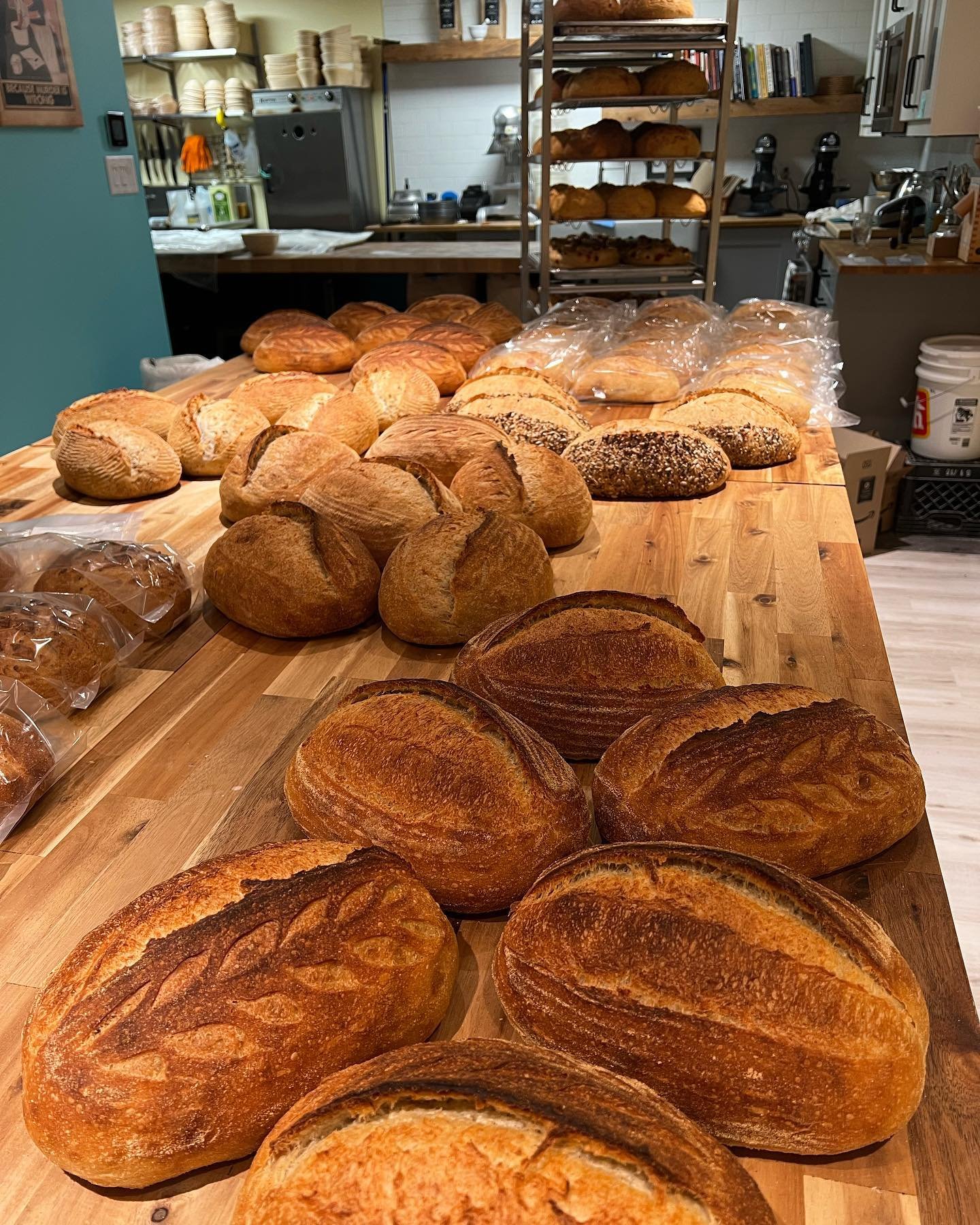
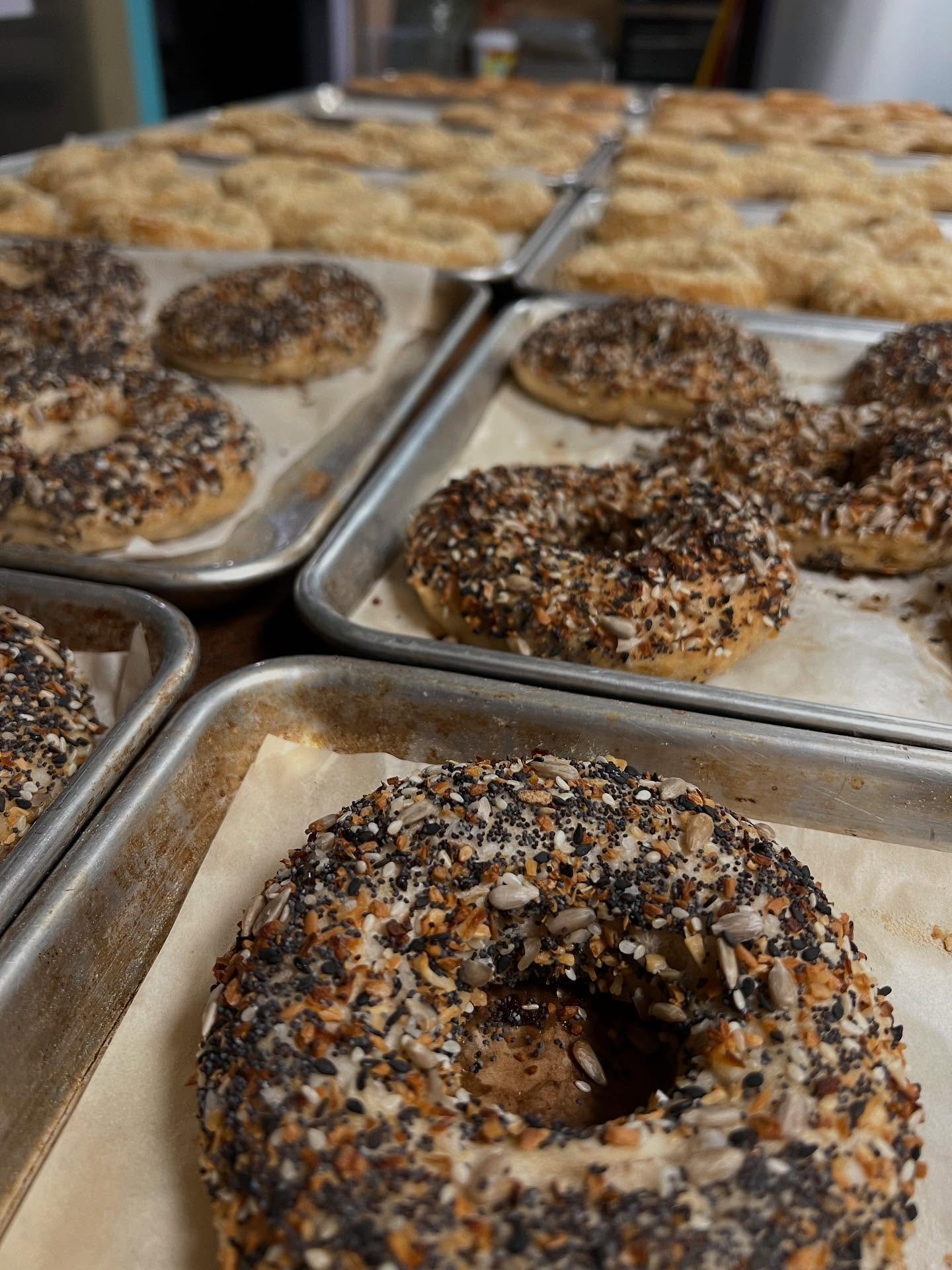

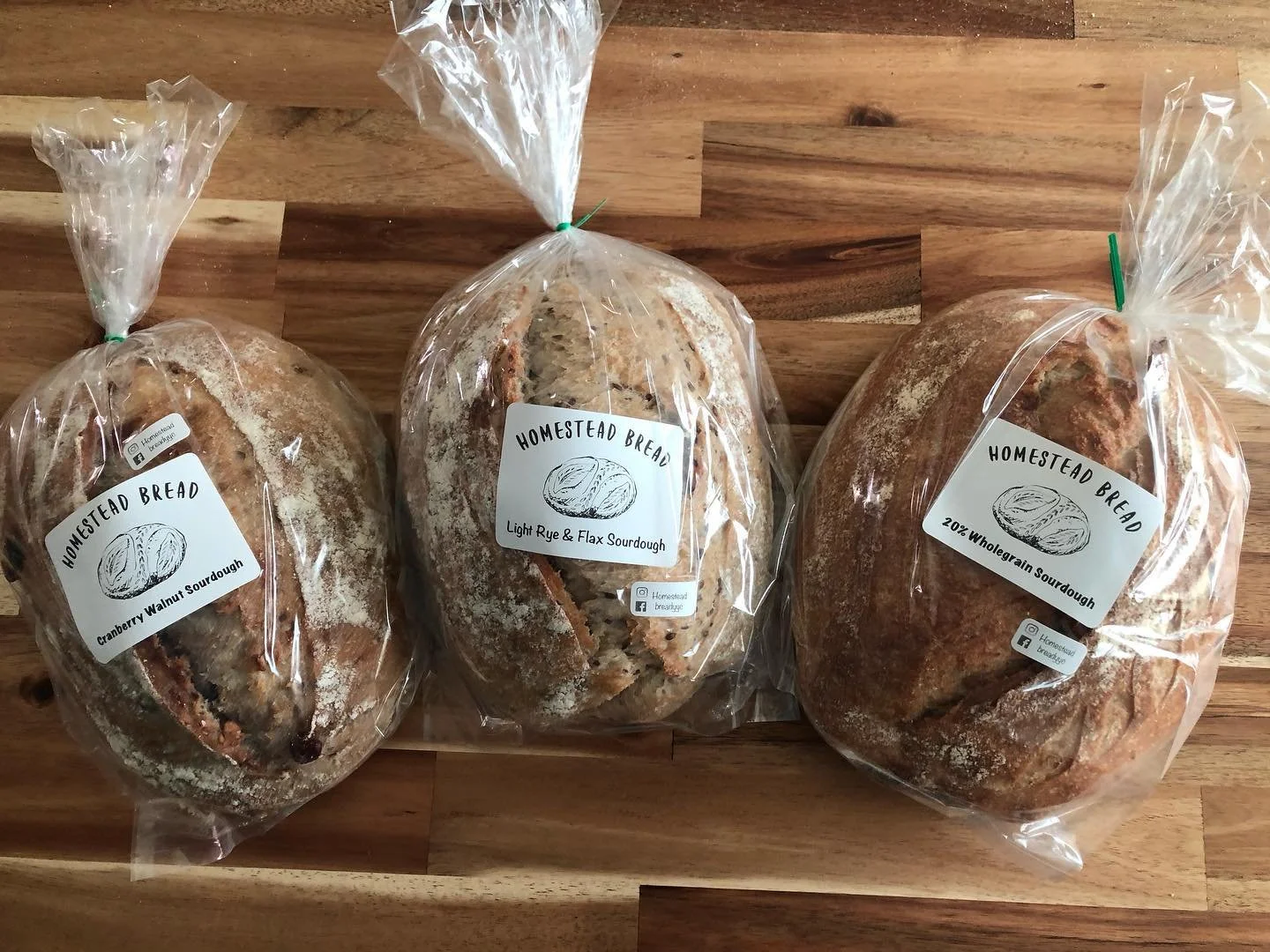
Homestead Bread - Delivered Fresh Tuesday & Friday mornings At Amaranth Southland Market & Arbour Lake Market
Why It Doesn’t Work for Factory Bread
Before you throw every loaf in your freezer, here’s the catch: store-bought, factory-style breads don’t see the same effect.
In studies, freezing and toasting packaged white bread didn’t really change blood sugar response. Why? Likely all the added sugars, fats, and preservatives — the same things that keep bread soft for weeks also stop the starches from transforming into resistant starch.
For the full benefit, stick to homemade or bakery-style bread (like your local sourdough).
How to Freeze Sourdough for Max Benefits
Slice first so you can grab what you need.
Store airtight in a freezer bag or container.
Wait at least 3 days — resistant starch needs time to form.
Thaw, then toast for the biggest blood sugar benefit.

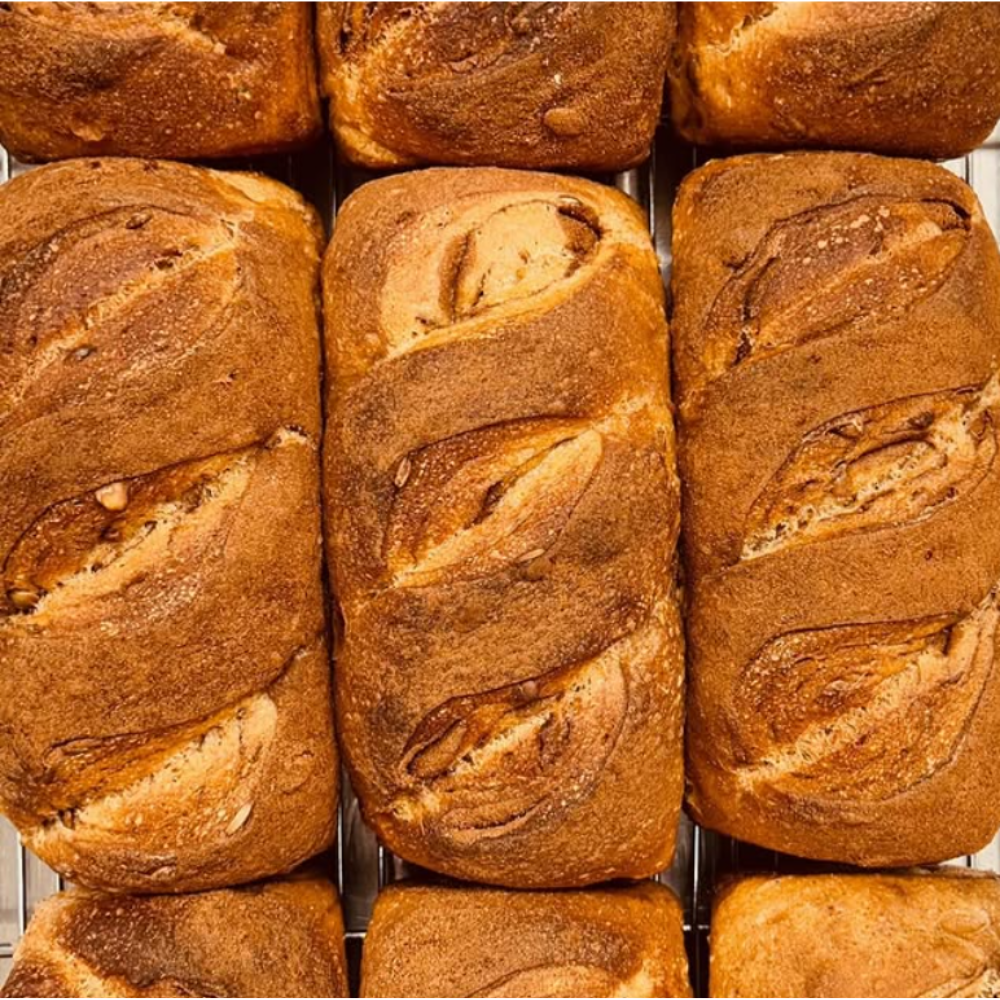
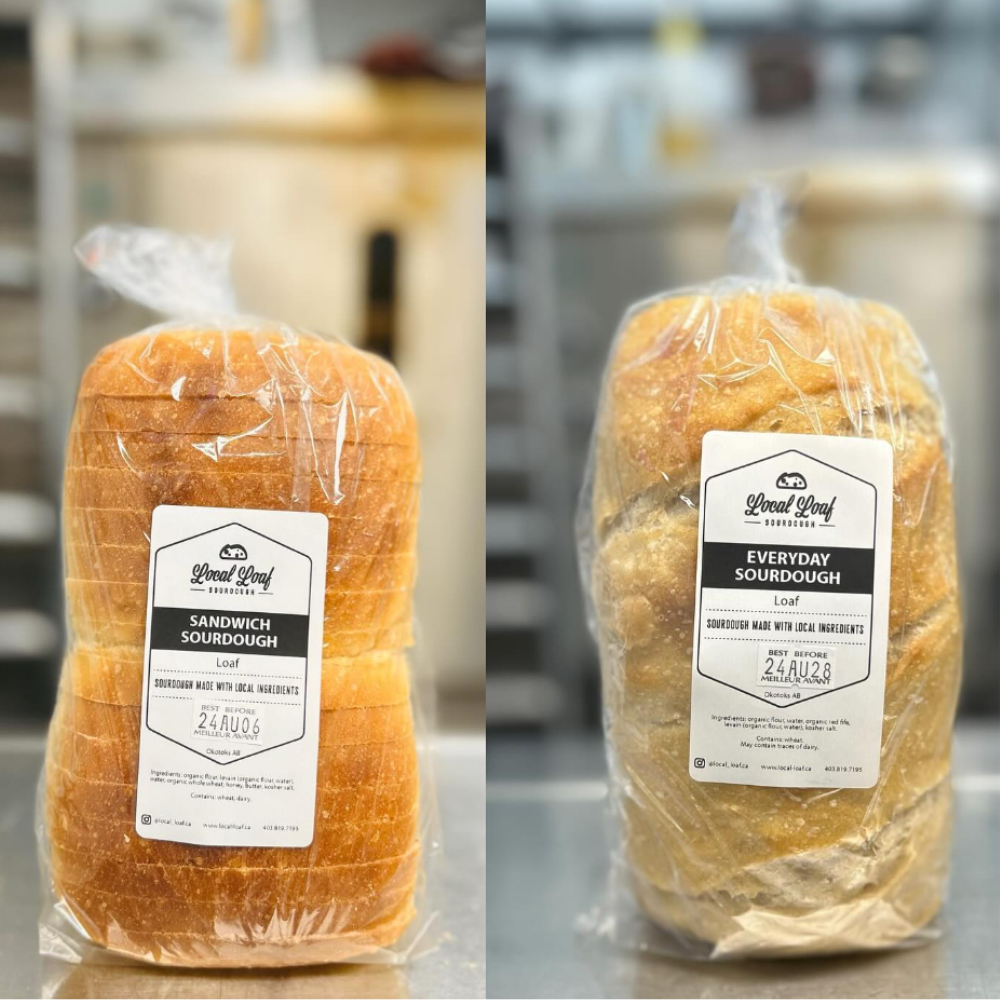
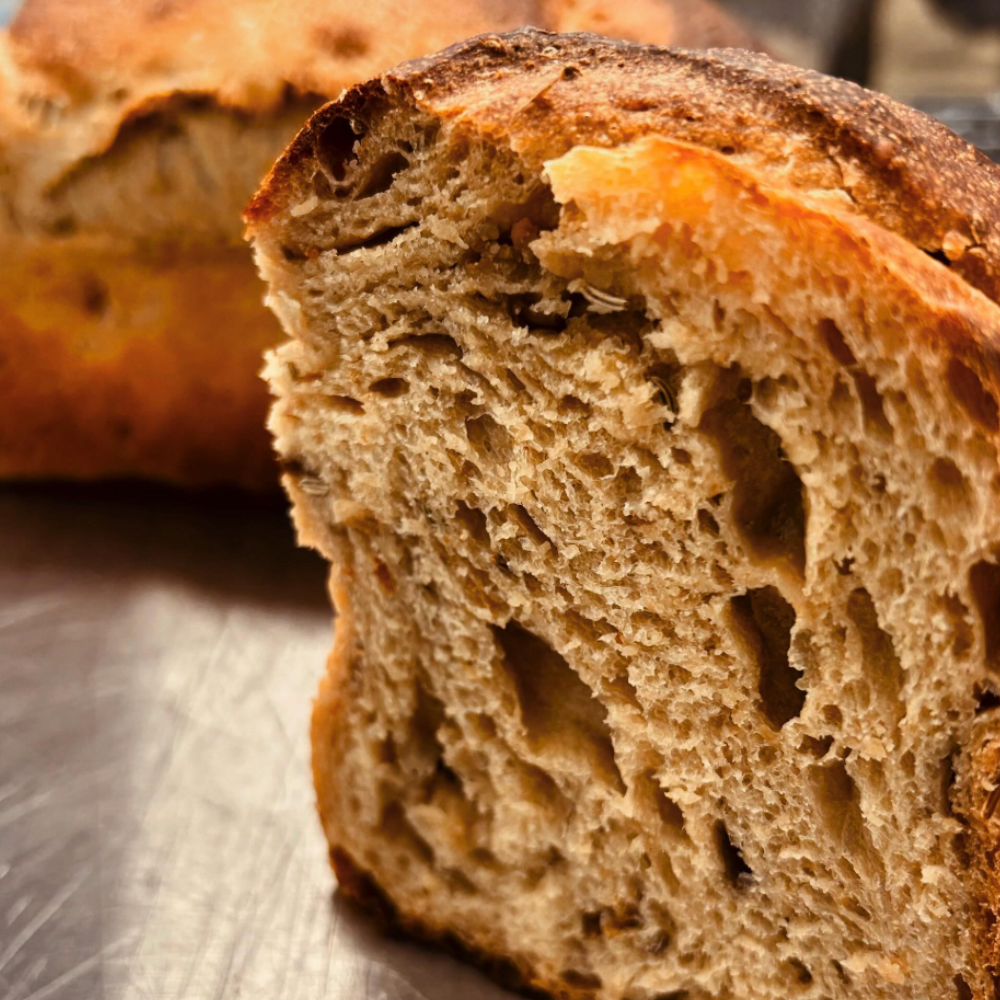
Local Loaf - Delivered fresh Mondays and Thursdays to Amaranth Southland Market in the morning and Arbour Lake Market in the afternoons.
The Bottom Line
Freezing sourdough isn’t just a way to cut down on waste, it’s a simple, science-backed trick to make your bread better for blood sugar, digestion, and gut health.
It won’t replace a balanced diet, but it’s one of those rare “health hacks” that’s easy, delicious, and doesn’t require any extra effort. Just freeze, toast, and enjoy the upgrade.