

Did you know that your body can become less sensitive to insulin even when your blood sugar levels are still normal?
That’s because your body can compensate by producing more insulin, sometimes for years, without any noticeable symptoms. But what happens when it can no longer keep up?
With November being Diabetes Awareness Month, I thought this would be a great opportunity to explore what insulin resistance means and how our everyday habits can influence it.
Insulin is a hormone that helps move glucose (sugar) from our blood into our cells, where it’s used for energy. With insulin resistance, our cells become less responsive to this hormone. Over time, if the body can no longer compensate, blood sugar levels may begin to rise.
Insulin resistance is associated with conditions like type 2 diabetes and PCOS, but it doesn’t necessarily mean you’ll develop diabetes. And feeling tired after meals or craving sugar isn’t enough to tell whether you have it.
What can you do about it?
Our everyday habits can make a difference in how our bodies respond to insulin. Here are three things worth paying attention to:
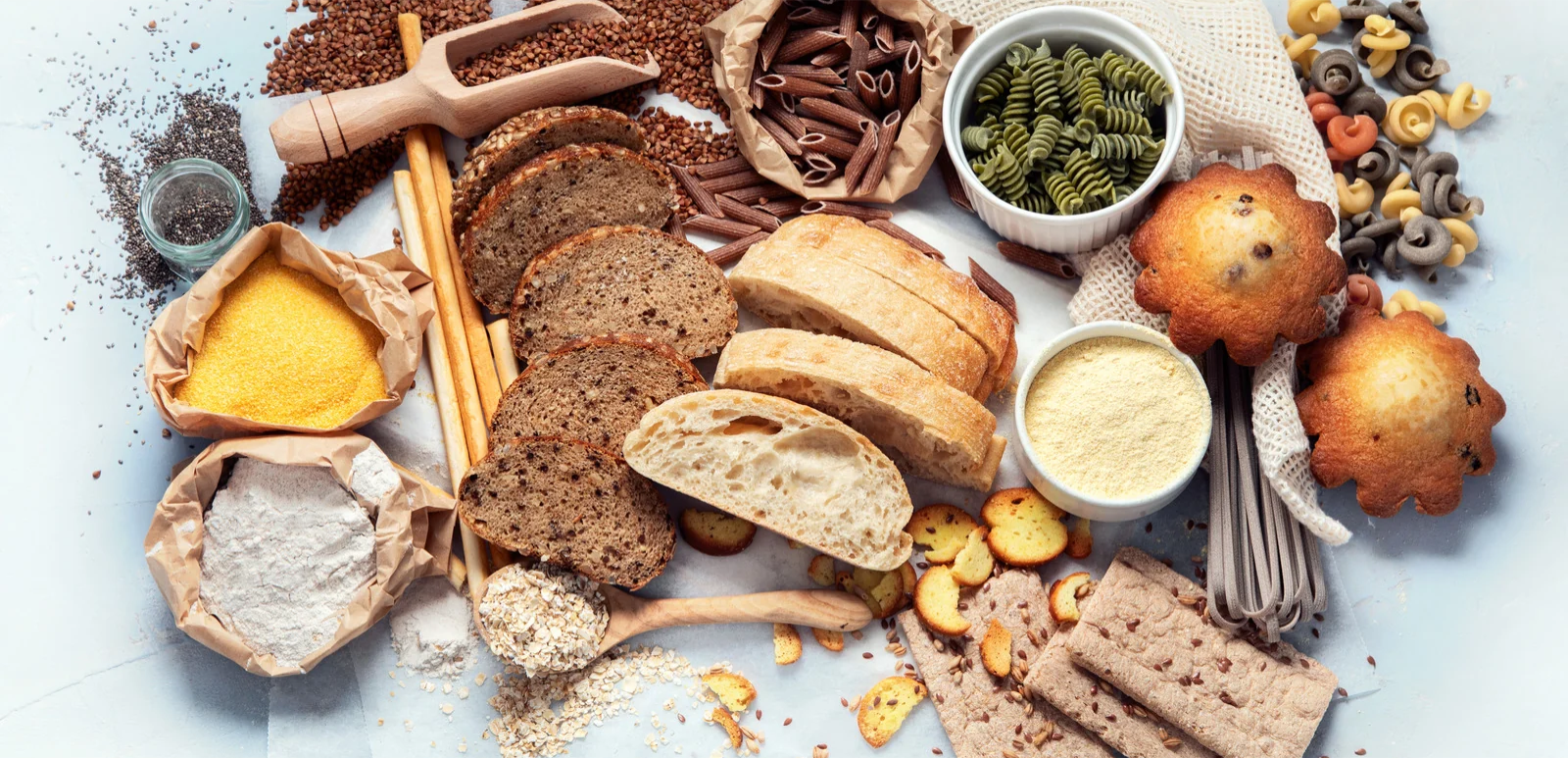
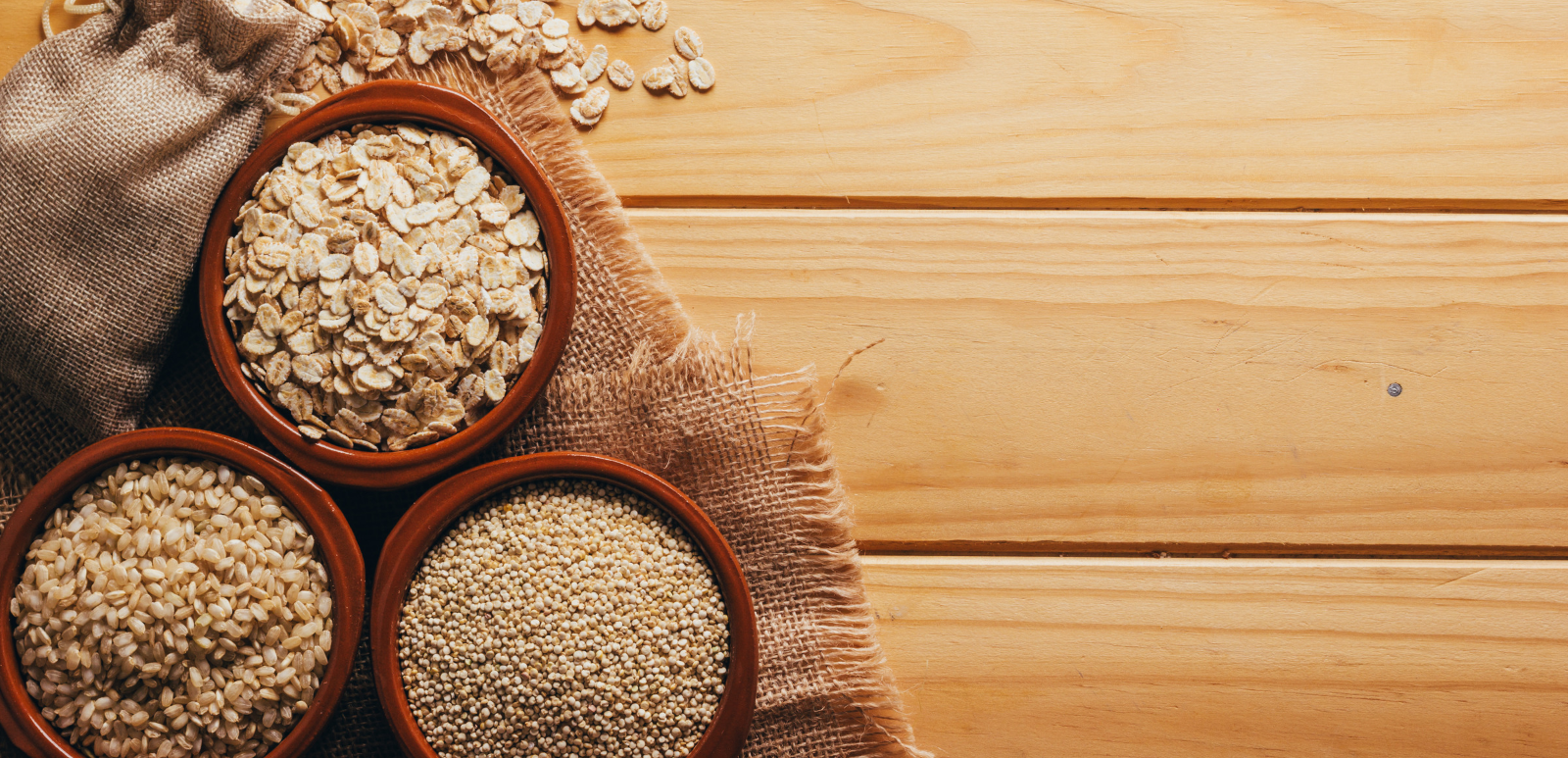
Balance your meals: you don’t need to avoid carbs! Try combining them with protein and fibre. Think oatmeal with Greek yogurt and berries, or rice with chicken and vegetables.
Move your body: even a 10 to 15-minute walk after a meal can help your muscles use glucose. Strength training is another great way to support insulin sensitivity.
Don’t overlook sleep: poor sleep can affect how your body responds to insulin. Keeping a consistent sleep routine, whenever possible, can help support metabolic health.

What about supplements?
Food, movement, and sleep all play important roles in how our bodies respond to insulin. But another question I often hear from customers is whether supplements can help too.
Some people are looking for additional support with their blood sugar, while others are curious about potential benefits for weight management.
Two options worth discussing are berberine and psyllium.
Berberine is a plant compound that has been studied for its effects on glucose metabolism. Some research suggests it may help improve blood sugar control, particularly in people with type 2 diabetes.
Psyllium is a soluble fibre that can help slow carbohydrate absorption and support a more gradual rise in blood sugar after meals. It’s also a simple way to increase your daily fibre intake.
Supplements may have a role, but they shouldn’t replace prescribed medication. If you’re considering one, especially if you take medication for blood sugar, it’s important to discuss it with your healthcare provider first.
Have questions about these options? Stop by Amaranth and chat with our Wellness team. We’re happy to help!
By Luana Pasqualini
BSc in Sciences of Nutrition from Brazil and Certified Holistic Nutritional Consultant, C.H.N.
Wellness advisor at Amaranth Southland.
References:
1. National Institute of Diabetes and Digestive and Kidney Diseases (NIDDK). Insulin resistance & prediabetes.
2. Diabetes Canada. Tips to help prevent blood sugar spikes after meals.
3. National Center for Complementary and Integrative Health (NCCIH). Diabetes and dietary supplements: What you need to know.
4. Reynolds, A. N., Akerman, A. P., & Mann, J. (2020). Dietary fibre and whole grains in diabetes management: Systematic review and meta-analyses. PLOS Medicine, 17(3), e1003053.
5. Evert, A. B., et al. (2019). Nutrition therapy for adults with diabetes or prediabetes: A consensus report. Diabetes Care, 42(5), 731–754.