

What are Beta-Glucans & Their Role in Everyday Wellness
Beta-glucans might sound like something out of a chemistry textbook, but chances are you’ve already encountered them in your daily diet. From supporting digestive health to helping maintain healthy cholesterol levels, beta-glucans are gaining attention for the many ways they may support everyday wellness. These naturally occurring compounds are found in familiar foods such as oats, barley, and mushrooms-but not all beta-glucans are the same.
Their structure and potential benefits can vary depending on their source. Understanding these differences can help you make more informed choices about the foods and supplements you include in your wellness routine.
What Are Beta-Glucans?
Beta-glucans are naturally occurring polysaccharides-complex carbohydrates found in the cell walls of certain mushrooms, grains, yeasts, and seaweeds.
Unlike carbohydrates that are primarily broken down for energy, beta-glucans act as a type of soluble fibre. As they move through the digestive system, they can influence different processes in the body and help support digestive, immune, and cardiovascular health.
Common sources of beta-glucans include:
Mushrooms, including reishi, lion's mane, maitake and turkey tail
Whole grains such as oats and barley
Nutritional and baker's yeast
Certain types of seaweed and algae
Although they share the same general name, beta-glucans vary in structure depending on their source-differences that can influence how they behave in the body and the wellness benefits they may offer.
Where Are Beta-Glucans Found?
Beta-glucans occur naturally in a range of foods, though their structure and concentration vary by source.
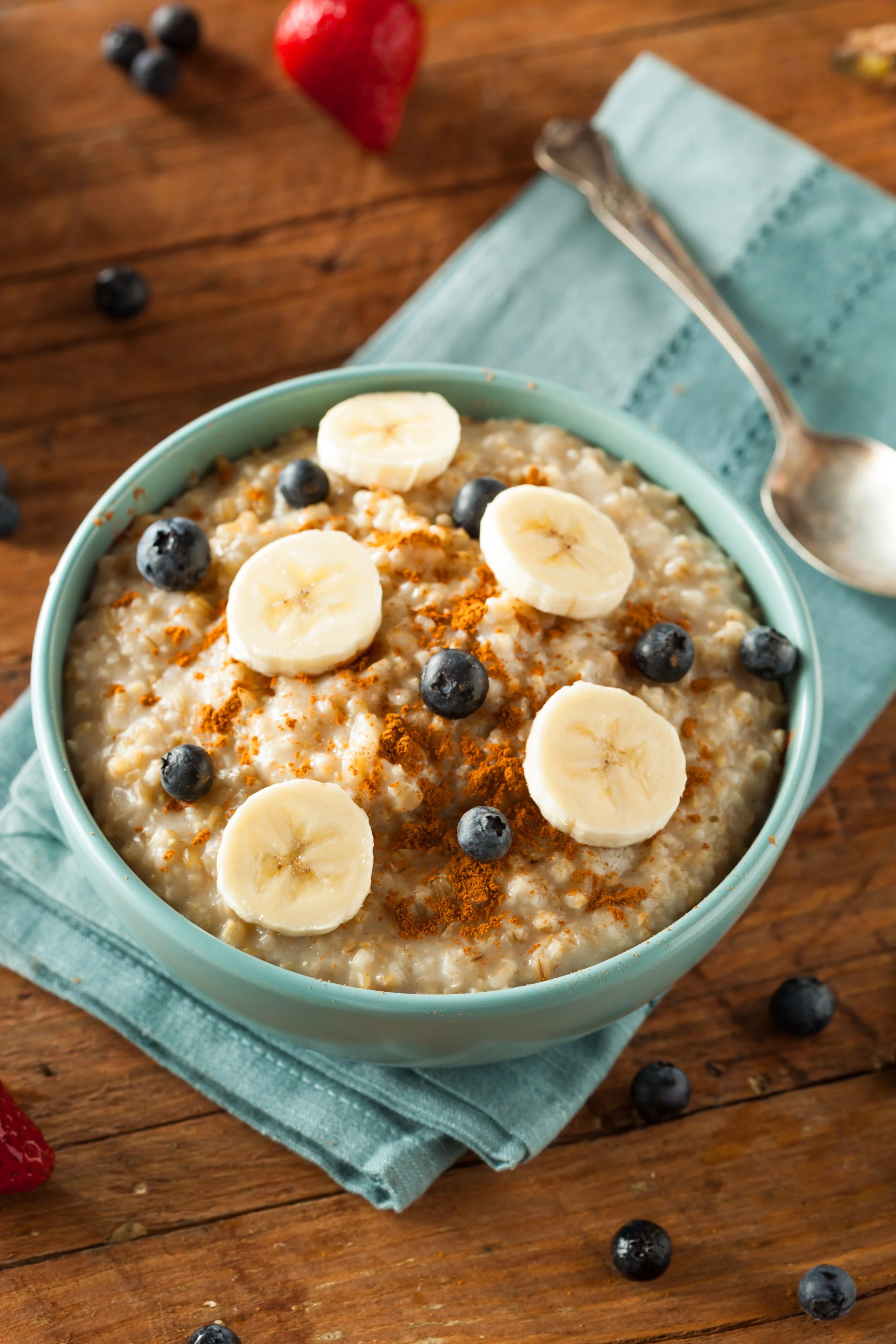
Oats and barley are among the best-known sources. Their beta-glucans are a soluble fibre that can form a gel-like substance in the digestive tract, making oatmeal, oat bran, or barley an easy way to include them in your daily routine.
Mushrooms also contain beta-glucans in their cell walls. Varieties such as reishi, lion's mane, maitake, and turkey tail are especially well-known for their beta-glucan content and are commonly available as powders, capsules, and extracts.
Yeast, including baker's yeast and nutritional yeast, is another source. Beta-glucans can also be found in certain types of seaweed and algae, though these are less common in the average diet.
Because beta-glucans differ in structure across sources, they don’t all interact with the body in the same way. This is why oats and barley are often linked to heart and metabolic health, while mushroom beta-glucans are more commonly studied for their effects on immune function.

Reishi Mushroom
How Mushroom and Cereal Beta-Glucans Differ
Although beta-glucans are found in both mushrooms and grains, their molecular structures differ. These differences influence how they interact with the body and which areas of health they may support.
Mushroom beta-glucans have complex, branching structures that can interact with receptors involved in the immune system. For this reason, they’re commonly studied for their potential immune-modulating and anti-inflammatory properties. Rather than simply “boosting” immunity, they may help support a balanced, appropriate immune response.
Oat and barley beta-glucans behave differently. They dissolve in water and form a gel-like substance in the digestive tract, which can slow digestion and reduce cholesterol absorption-potentially supporting healthy cholesterol and blood-sugar levels.
Both types can also act as prebiotic fibre, helping nourish beneficial gut bacteria. While their effects may differ, including a variety of beta-glucan sources can support several aspects of everyday wellness.
How Beta-Glucans May Support Everyday Wellness
The benefits of beta-glucans depend largely on their source and structure, but research has linked them to several areas of health.
Immune support: Mushroom and yeast beta-glucans can interact with receptors on immune cells, helping support a balanced immune response. They’re also being studied for their potential anti-inflammatory properties.
Digestive health: As a form of prebiotic fibre, beta-glucans help nourish beneficial gut bacteria, supporting a healthy microbiome that contributes to digestion and overall well-being.
Heart health: The soluble beta-glucans in oats and barley form a gel-like substance in the digestive tract, which may help reduce cholesterol absorption and support healthy cholesterol levels.
Blood sugar balance: By slowing digestion and carbohydrate absorption, cereal beta-glucans may help support steadier blood sugar levels after meals.
Beta-glucans are not a cure-all, but regularly enjoying foods such as oats, barley, and mushrooms can be a simple way to add more beneficial fibre and variety to a balanced diet.
The Emerging Connection Between Oat Beta-Glucan and PFAS
Researchers are also exploring whether oat beta-glucan may help the body eliminate certain per- and polyfluoroalkyl substances, commonly known as PFAS-persistent chemicals found throughout the environment that can remain in the human body for years.
Early animal and small human studies suggest oat beta-glucan may help increase the excretion of certain PFAS through the digestive system. Its gel-forming properties may reduce reabsorption in the intestines, allowing more to leave the body in waste.
While these findings are promising, the research is still preliminary, and larger, longer human studies are needed before firm conclusions can be made. It’s also worth noting that current research focuses specifically on oat beta-glucan, so the same effect can’t automatically be attributed to beta-glucans from mushrooms or other sources.
For now, oats remain a nutritious source of soluble fibre with established benefits for heart and digestive health, while their potential role in supporting PFAS elimination continues to be studied.
What to Look for in a Mushroom Supplement
With so many mushroom supplements available, clear labelling and transparent testing can help you choose more confidently.
Declared beta-glucan content: Look for products that state the amount or percentage of beta-glucans they contain. A label that lists only "polysaccharides" may include other carbohydrates, such as alpha-glucans from grain-based growing materials, and may not reflect the product’s active beta-glucan content.
Extraction information: Beta-glucans are contained within mushrooms’ tough cell walls, so a suitable extraction process can help make these compounds more accessible to the body. Reputable companies should clearly explain how their mushroom ingredients are processed.
Contaminant testing: Check whether the company tests its products for heavy metals, microbes, and other potential contaminants.
Transparent sourcing and testing: Look for companies that share where their mushrooms are grown, which parts are used, and how finished products are tested. Certificates of analysis or third-party testing can provide additional assurance.
Rather than focusing on a single claim or processing method, consider the company’s overall transparency, quality controls, and willingness to provide clear information about what’s in the product
Simple Ways to Include Beta-Glucans in Your Routine
Beta-glucans can be part of your wellness routine through both everyday foods and carefully selected supplements.
Try starting your day with oatmeal or oat bran, adding barley to soups, stews, and grain bowls, or including mushrooms in stir-fries, pasta dishes, and savoury breakfasts. Nutritional yeast can also be sprinkled over vegetables, popcorn, or pasta for an easy flavour boost.
Functional mushrooms such as lion's mane, reishi, maitake, and turkey tail are also available as powders, capsules, and liquid extracts-convenient options when a particular mushroom is difficult to find or regularly include through food.
Supplements should complement, not replace, a varied, fibre-rich diet. If you choose to use one, follow the product directions and speak with a healthcare practitioner if you're pregnant, breastfeeding, taking medication, or managing a health condition.
Whether they come from a warm bowl of oats, a hearty barley soup, or a quality mushroom product, beta-glucans can be a simple addition to a balanced approach to everyday wellness.
A Balanced Approach to Beta-Glucans
Beta-glucans are a great example of how everyday foods can support wellness in different ways. Mushroom beta-glucans are commonly associated with immune support, while those in oats and barley are better known for digestive and heart-health benefits.
As research continues, including early studies exploring oat beta-glucan and PFAS-it’s helpful to stay curious while keeping expectations realistic. By enjoying a variety of beta-glucan-rich foods and choosing supplements from transparent, quality-focused companies, you can make informed choices that complement your overall wellness routine.